The Art of Memory
Currently in production
Director: Audrey Daniel, Editor: Katrina De Vera, Producer: George Nelson, Associate Producer: Dianne Aoki, Sound Design: Jeff Jacoby, Composer: Anaís Azul Arias-Aragón
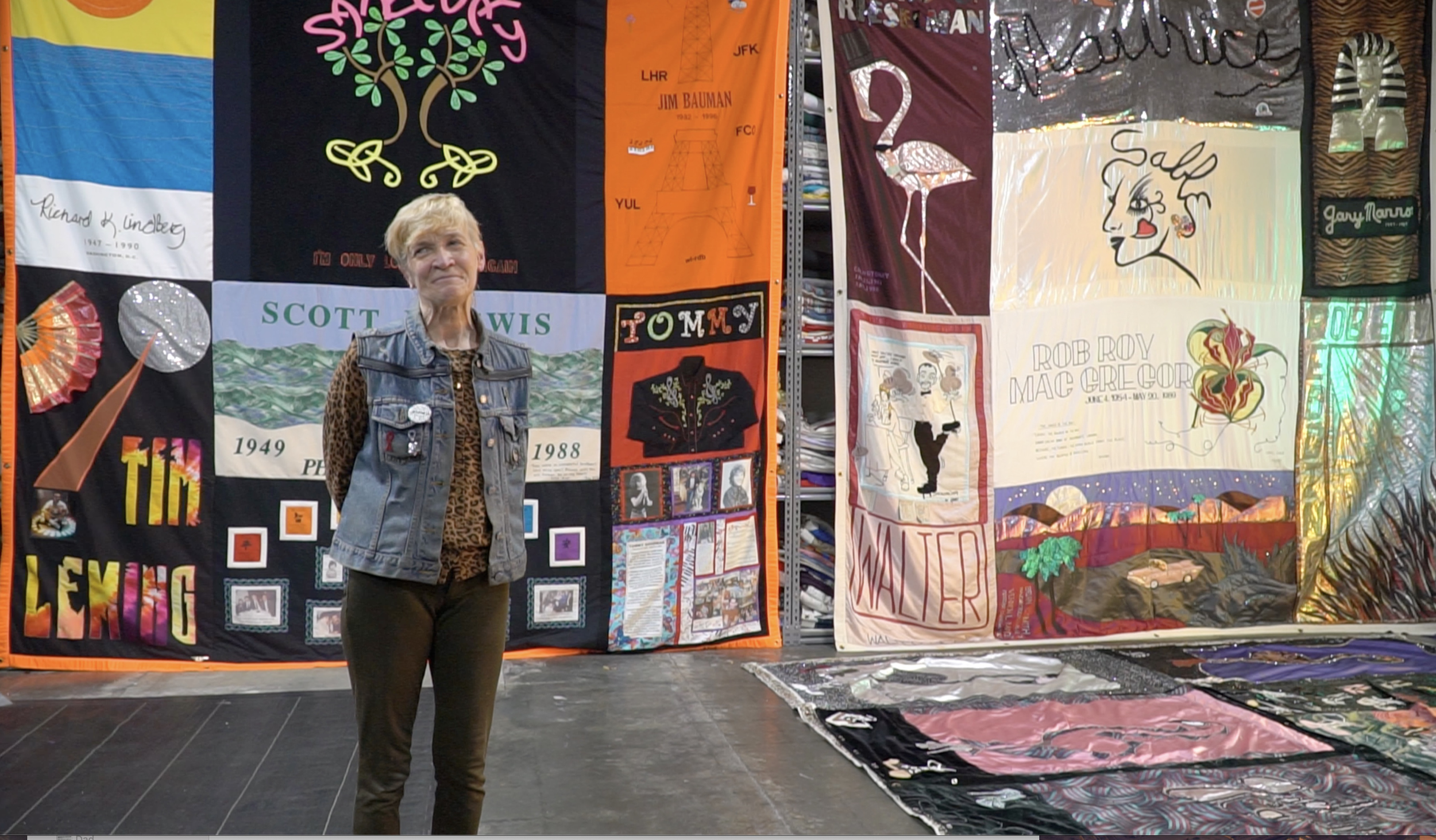
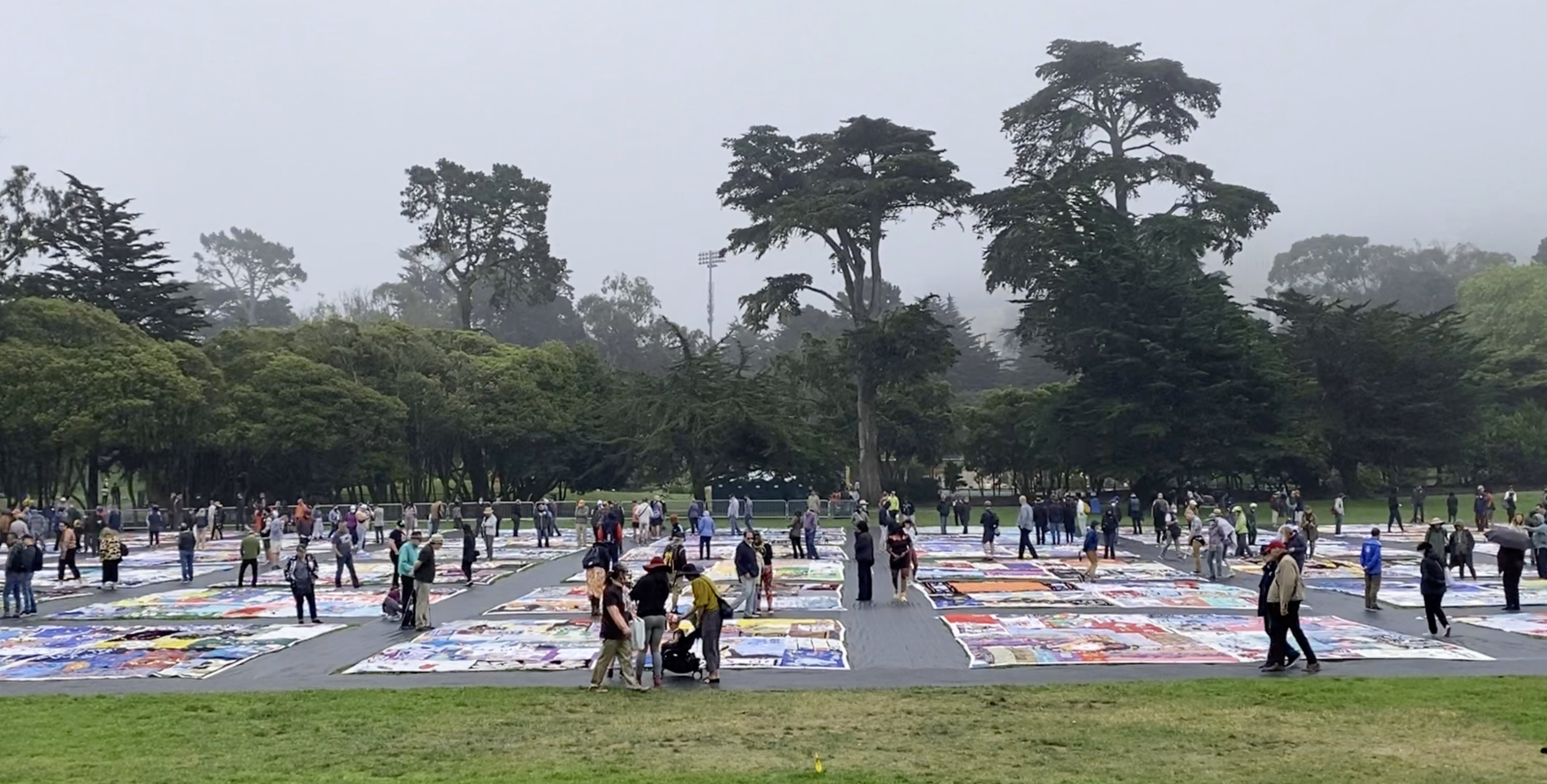
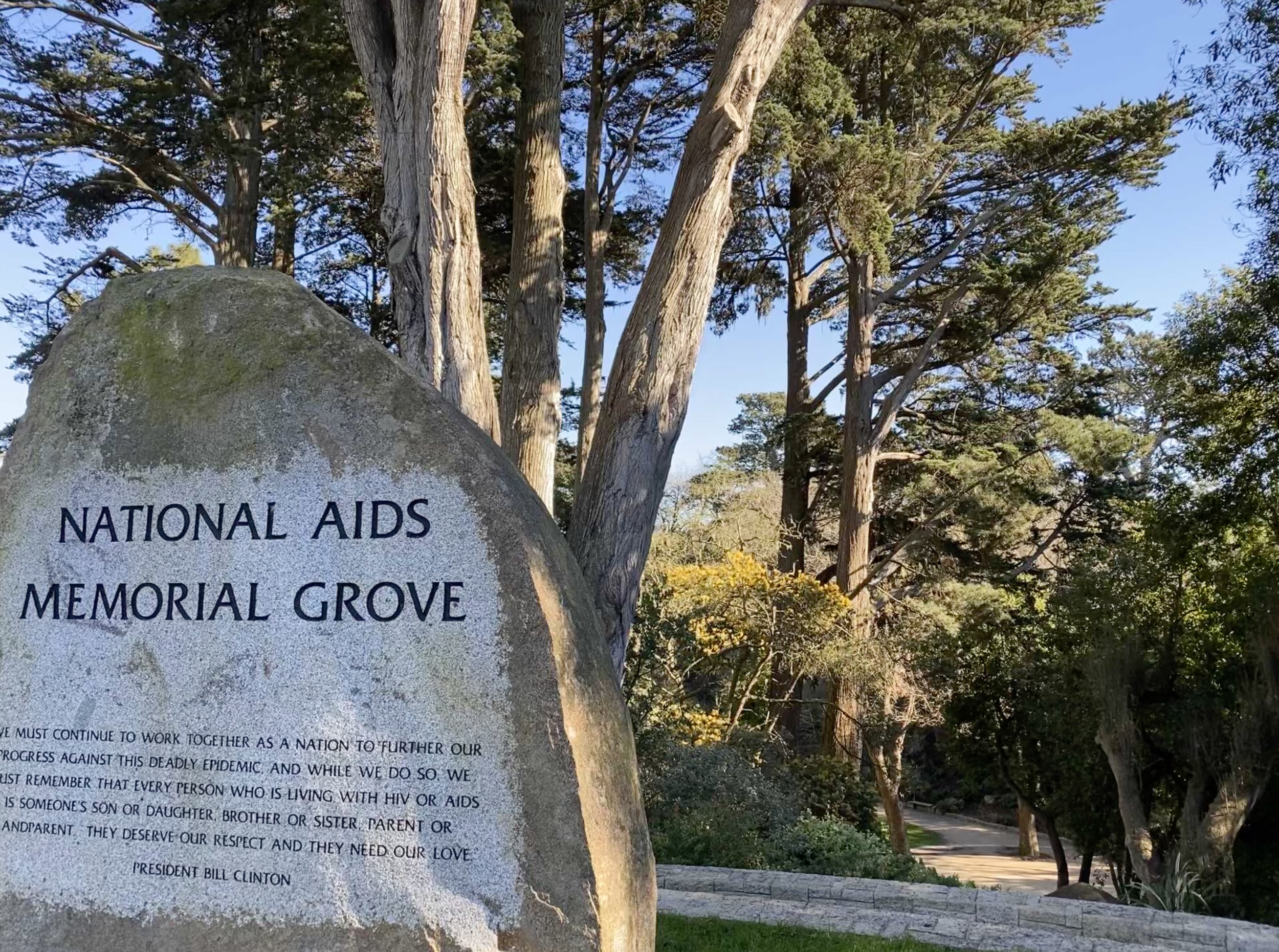
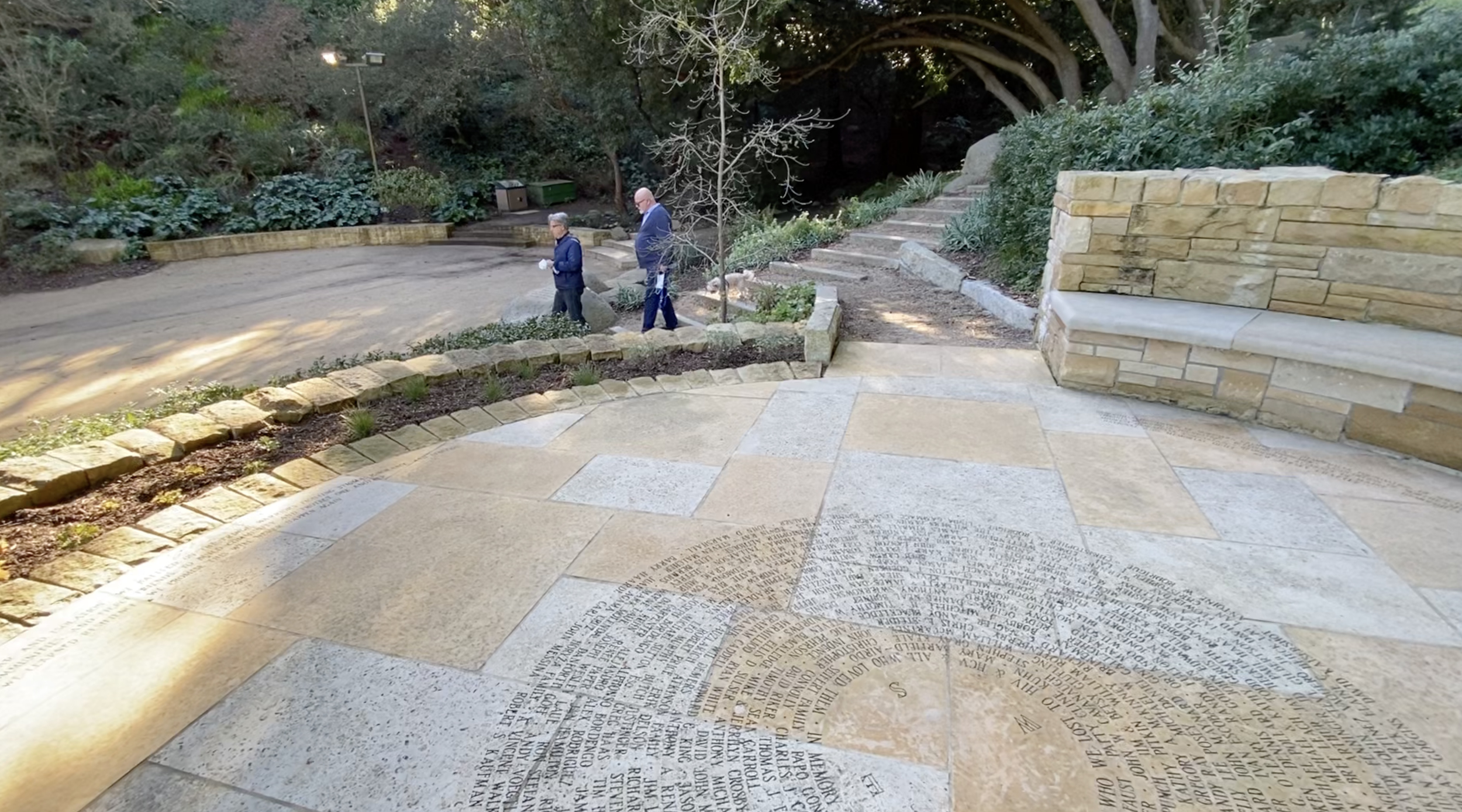
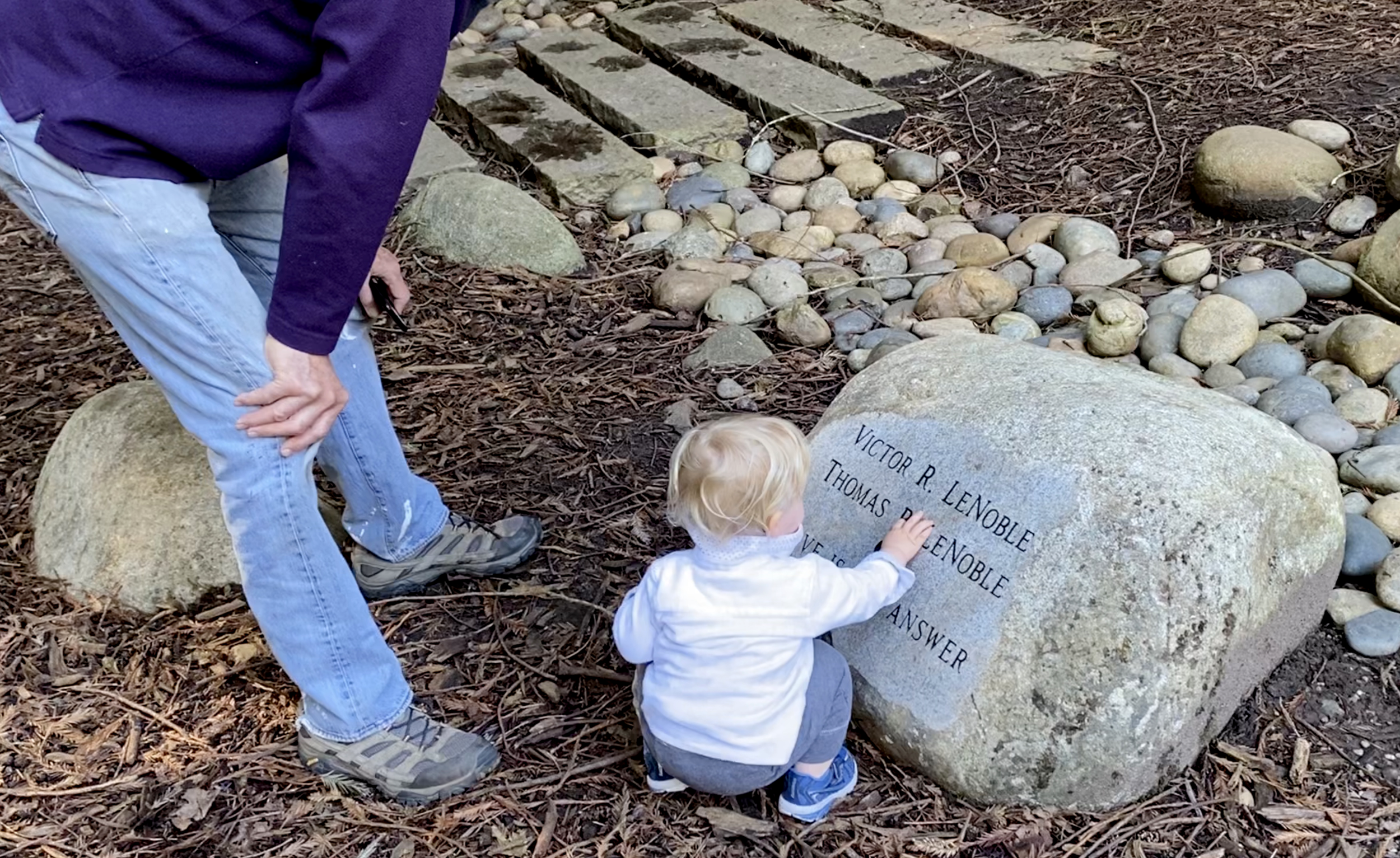
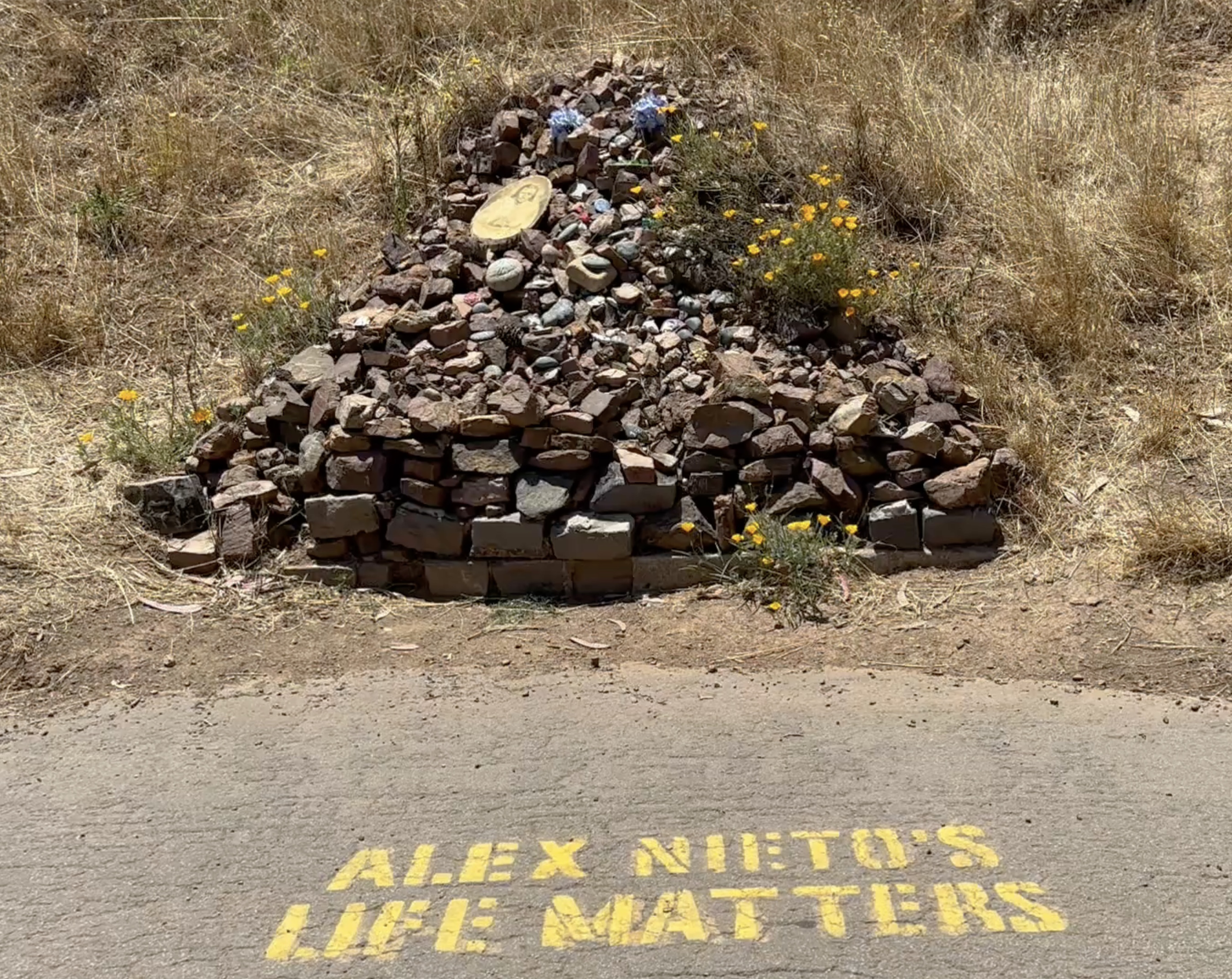
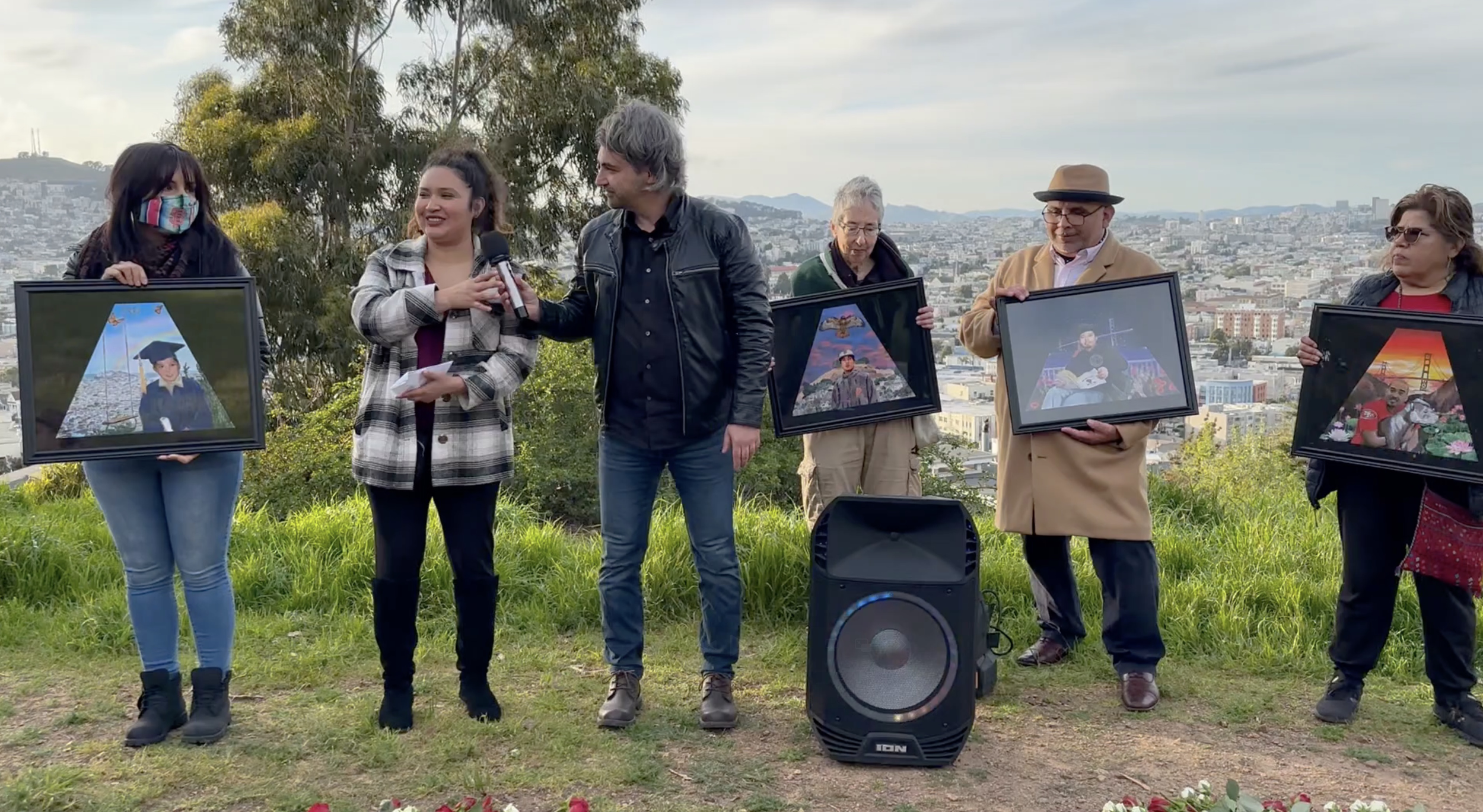
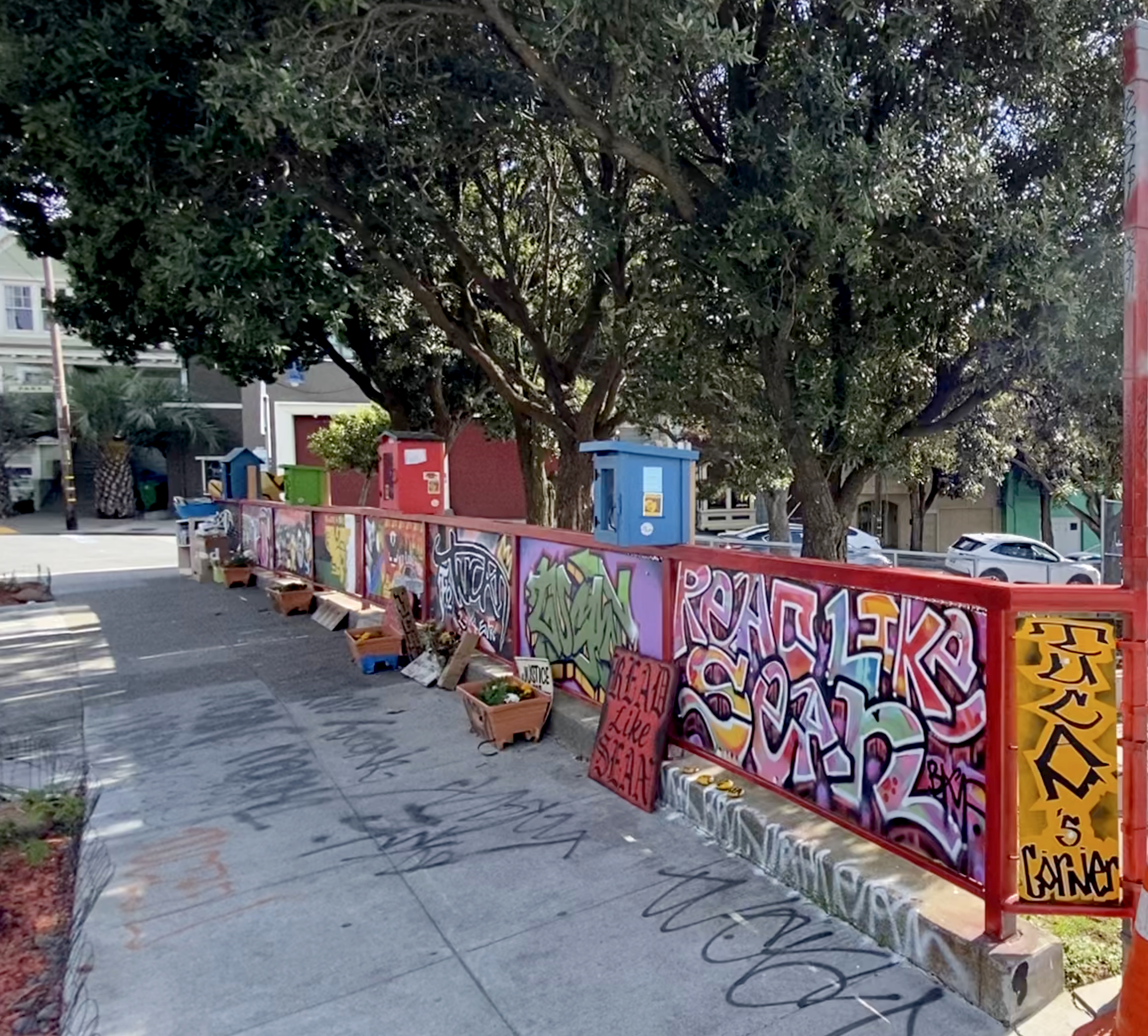
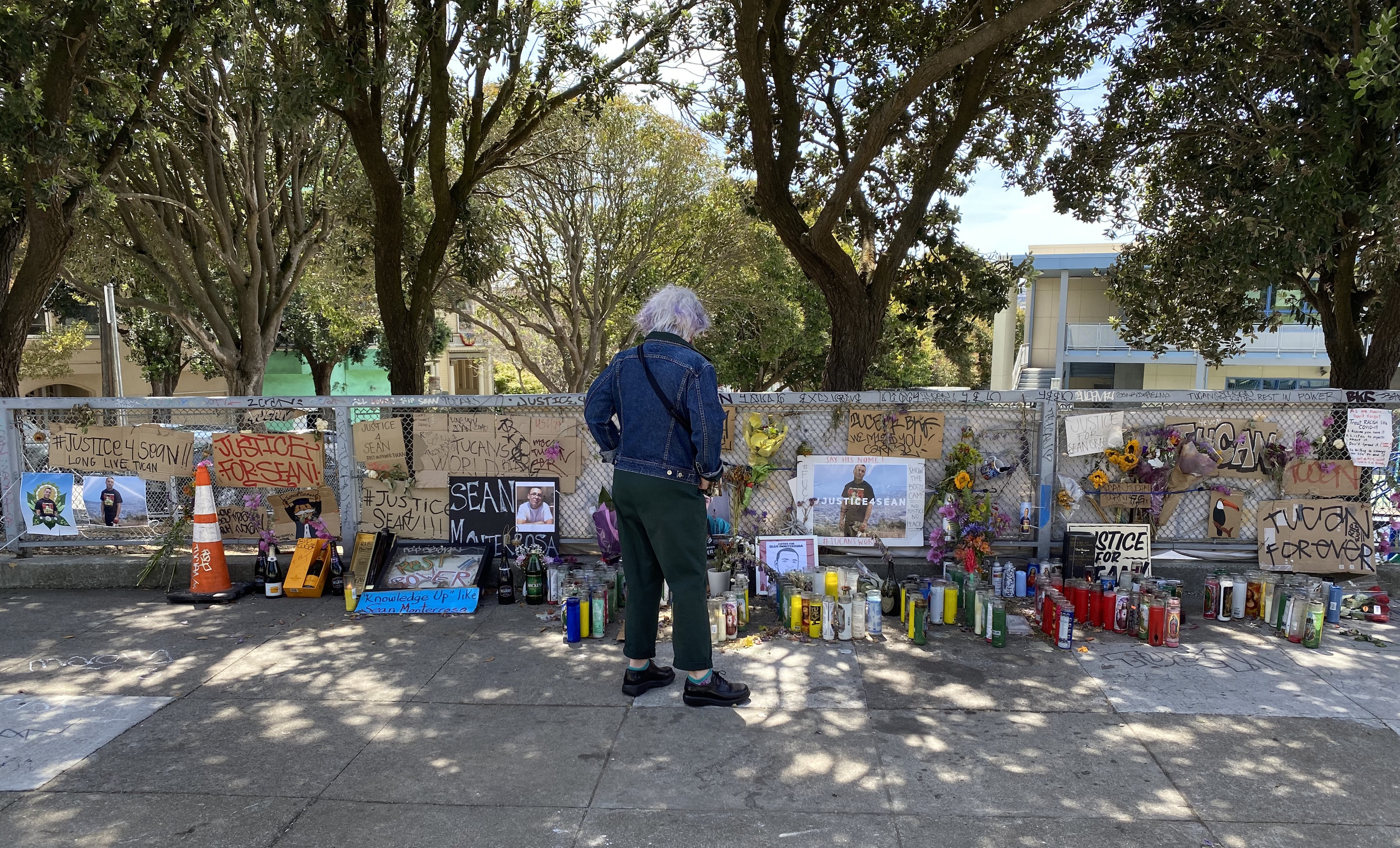
Since 1985, a powerful narrative shift has transformed public art in the San Francisco Bay Area, moving away from traditional statues toward grassroots monuments and memorials that foster inclusivity, education, and collective healing. The Art of Memory explores how these projects stand the test of time; how it connects diverse communities across gender, age, and economic status by preserving the "living history" of human struggle and triumph. This evolution is seen in massive, collective efforts like the AIDS Memorial Quilt—a 54-ton folk art masterpiece championed by figures like Cleve Jones and Gert McMullin—and the National AIDS Memorial Grove, which transformed a forgotten corner of Golden Gate Park into a federally recognized sanctuary of remembrance. Similarly, the film documents memorials that arise from tragedy, such as the tributes on Bernal Hill for Alex Nieto or the community-built outdoor library honoring Sean Monterossa. These projects serve as vital public rituals that elevate social awareness and provide a shared space for the preservation of memories.
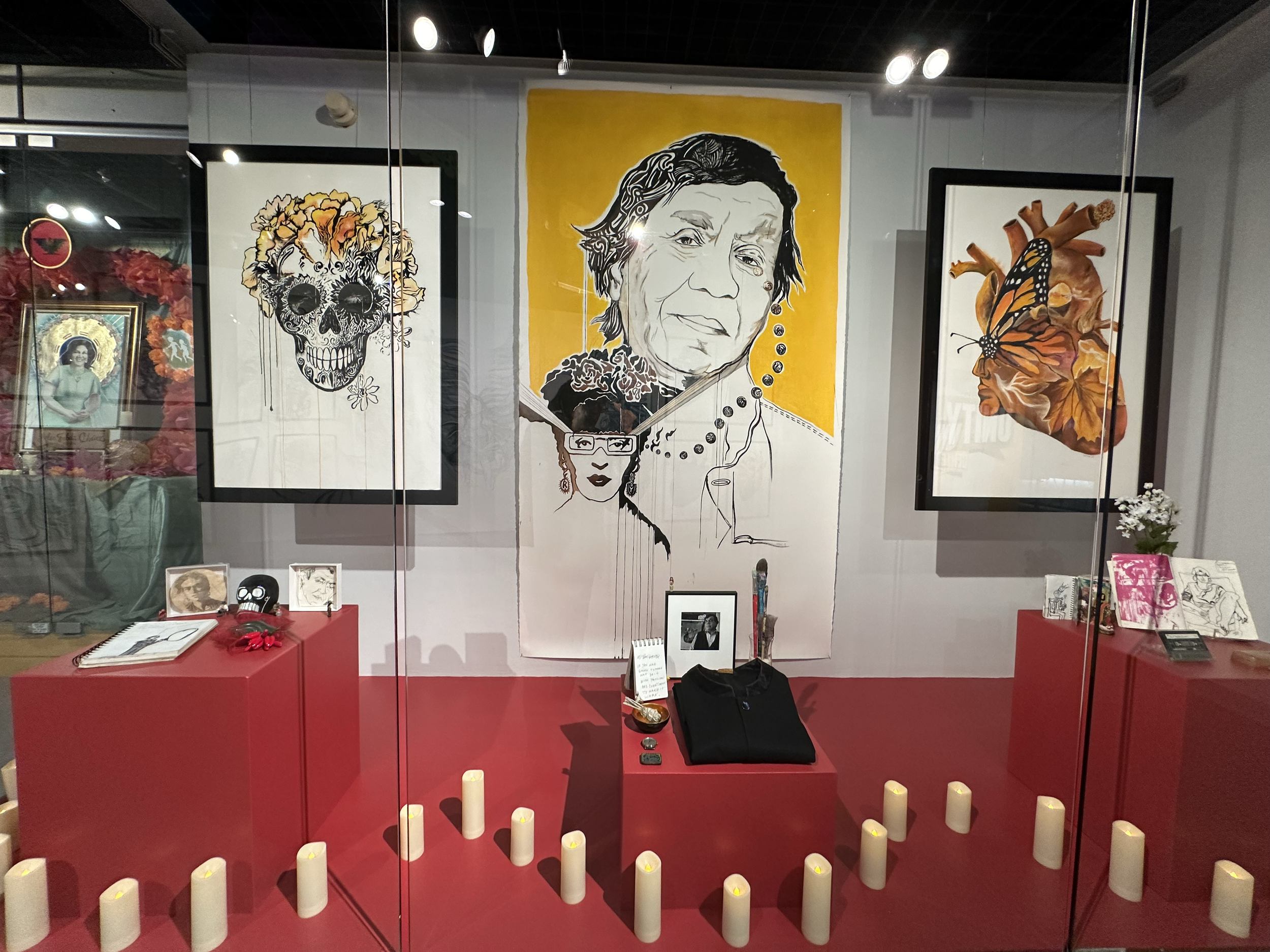
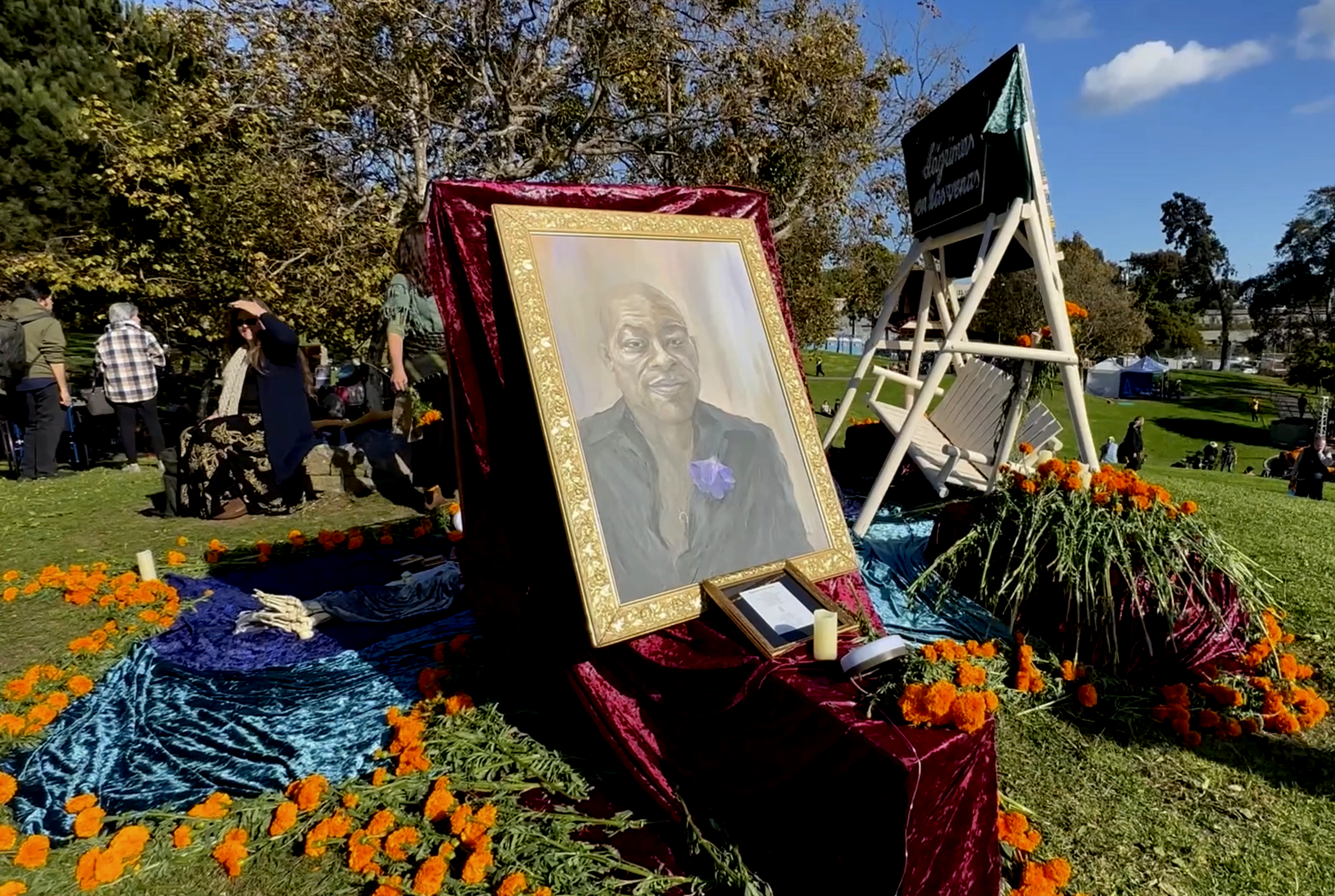
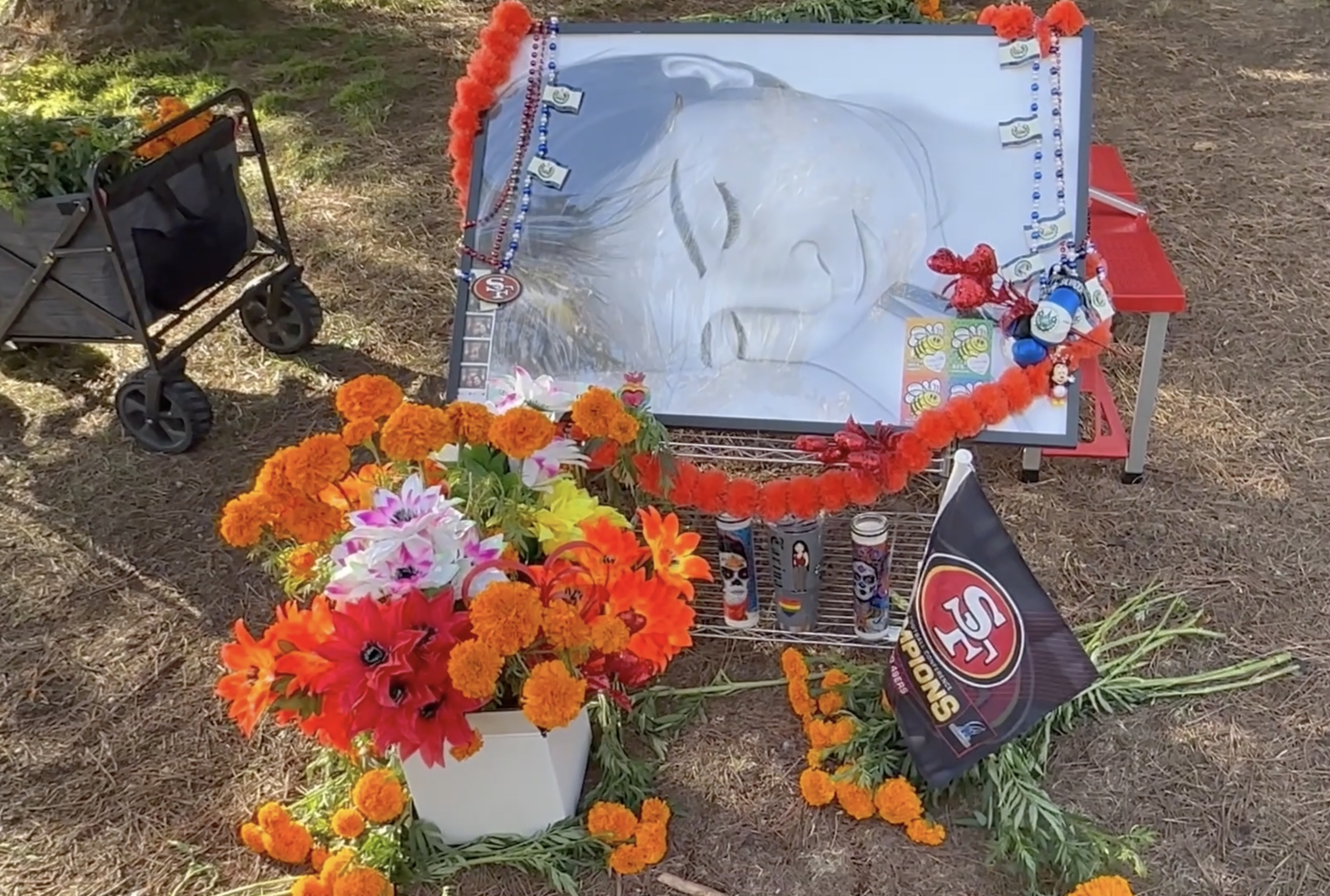
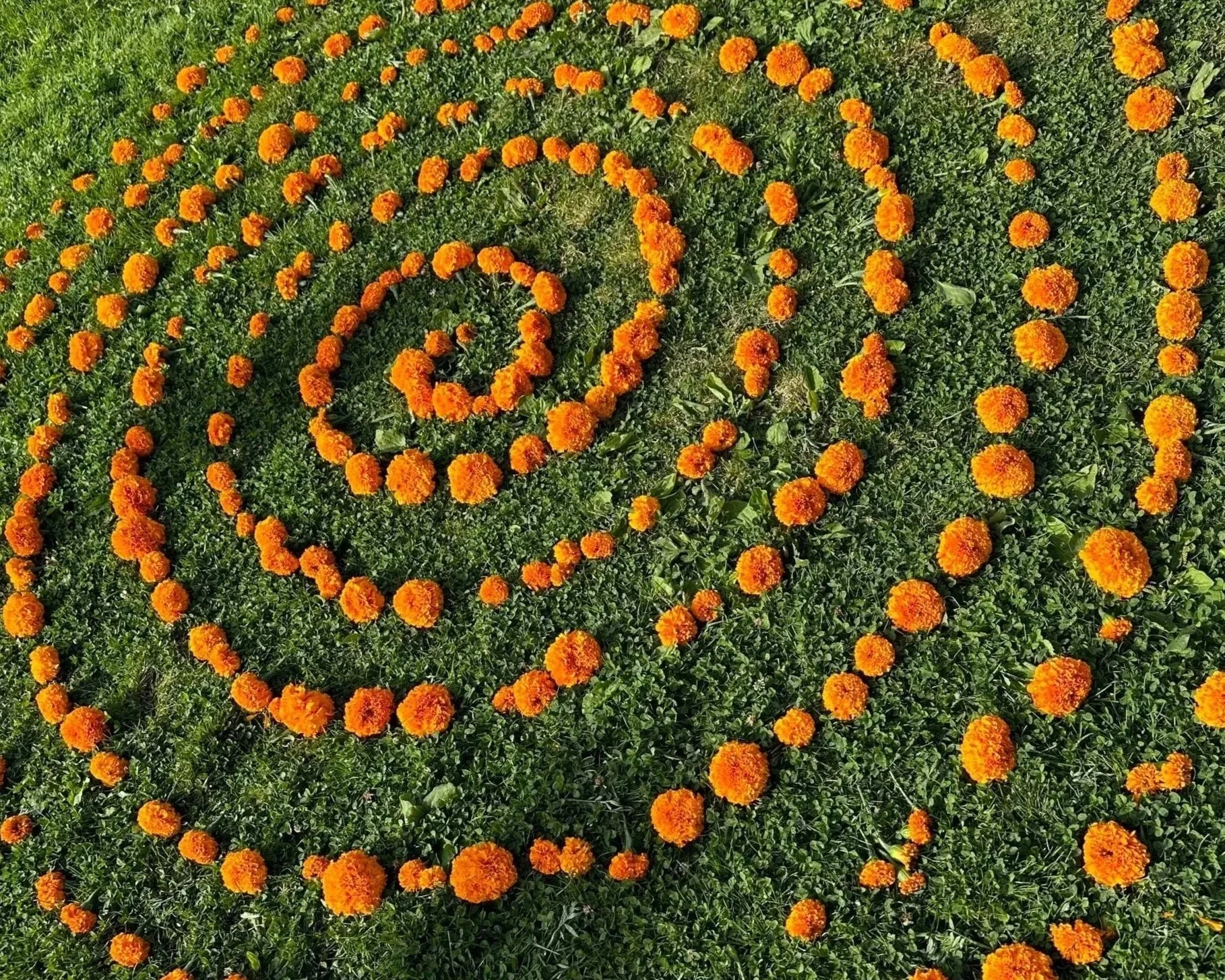
Central to this exploration of public ritual is the work of Rosa de Anda, whose leadership of The Marigold Project exemplifies the intersection of ancestral remembrance and community transmission. Through the annual Dia de los Muertos celebration, de Anda facilitates a massive public event where thousands of Bay Area residents unite to build personal altars and navigate shared grief. Her insights are a cornerstone of The Art of Memory, as she articulates how public ritual serves as a historical record, allowing the community to reclaim space for celebration and mourning. By focusing on de Anda’s work alongside other grassroots leaders, the documentary illustrates how modern memorials have moved beyond static stone; they are dynamic, participatory experiences that bridge cultural divides and ensure that the legacies of the fallen remain woven into the fabric of society.
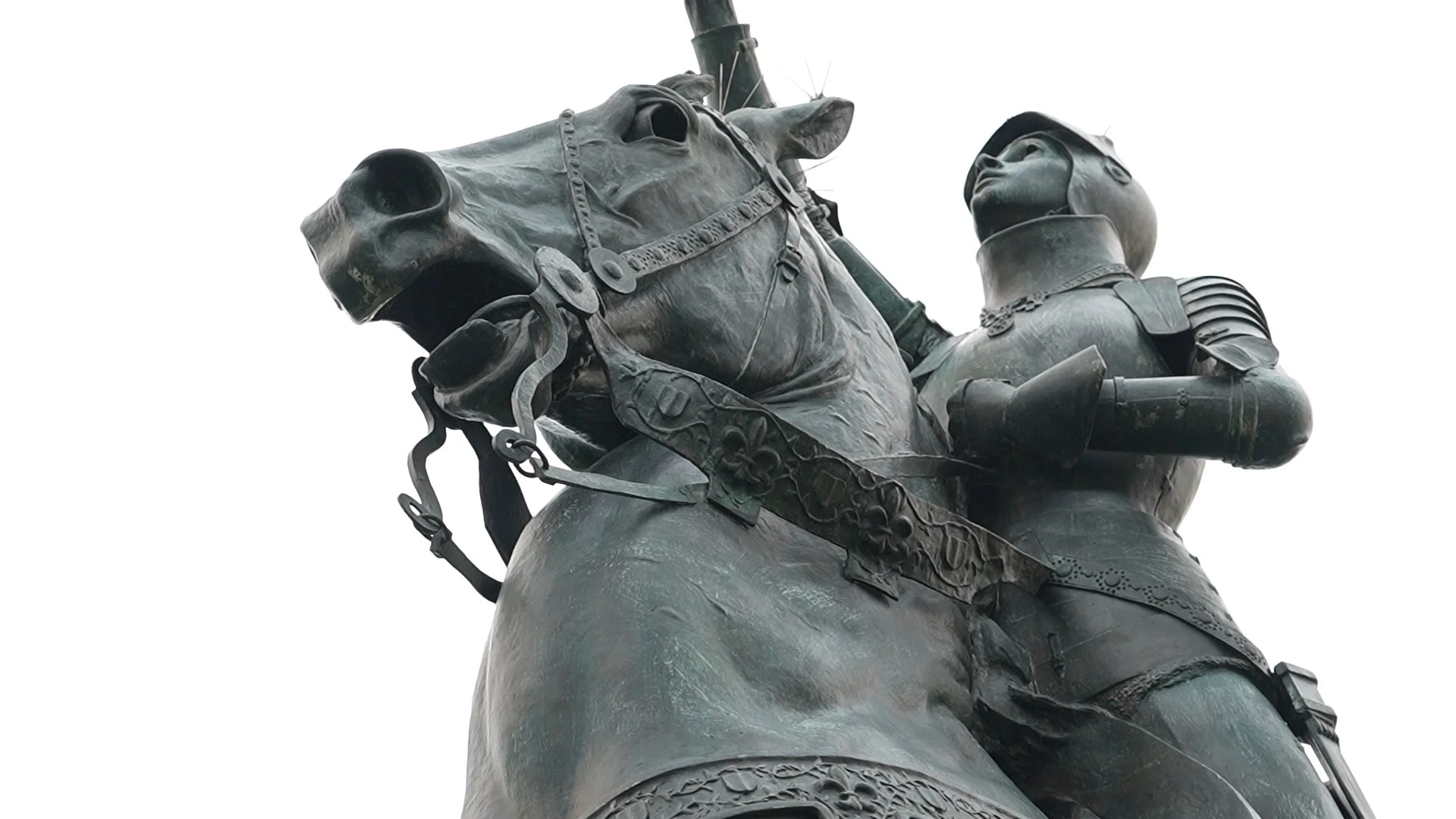
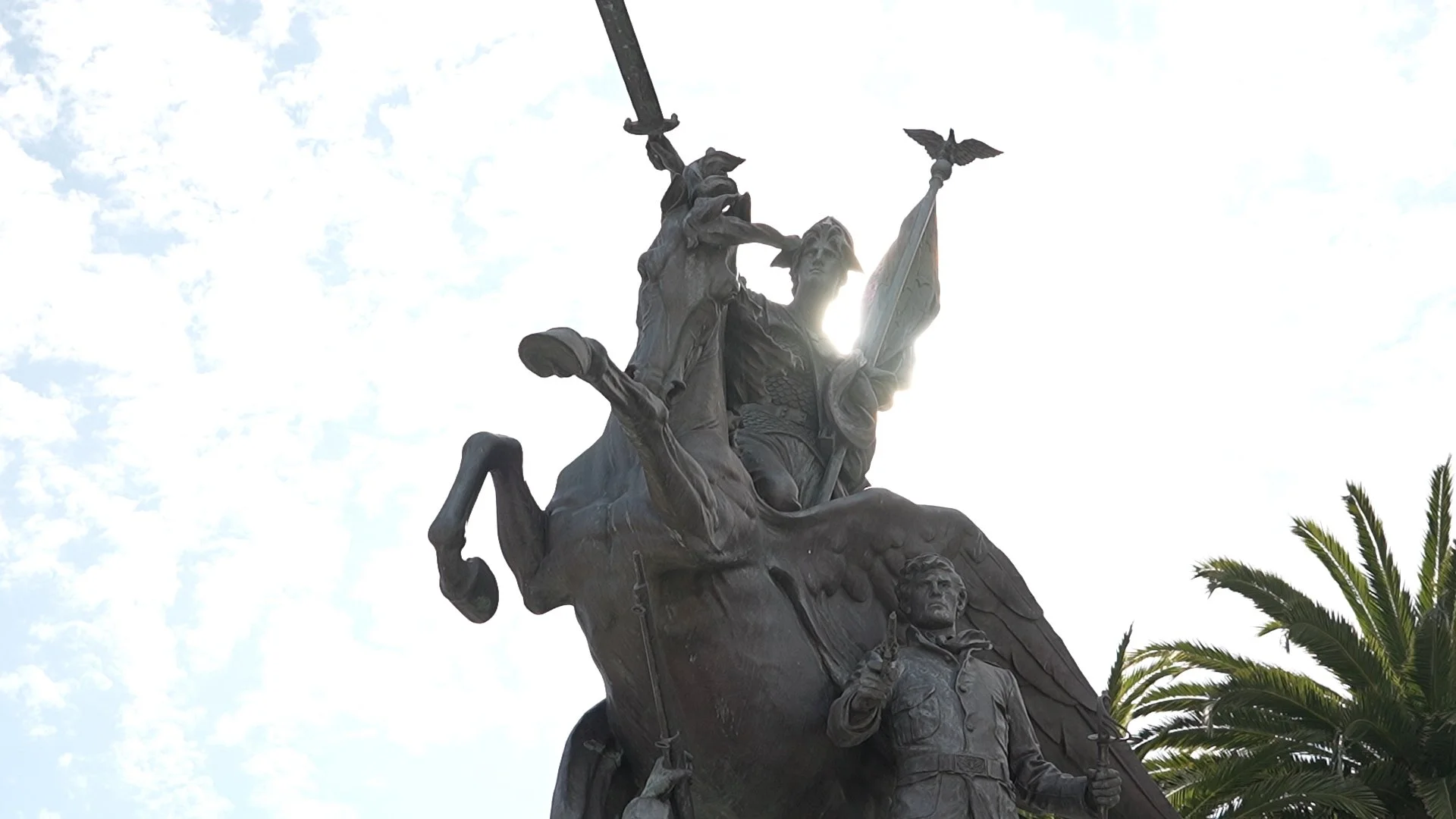
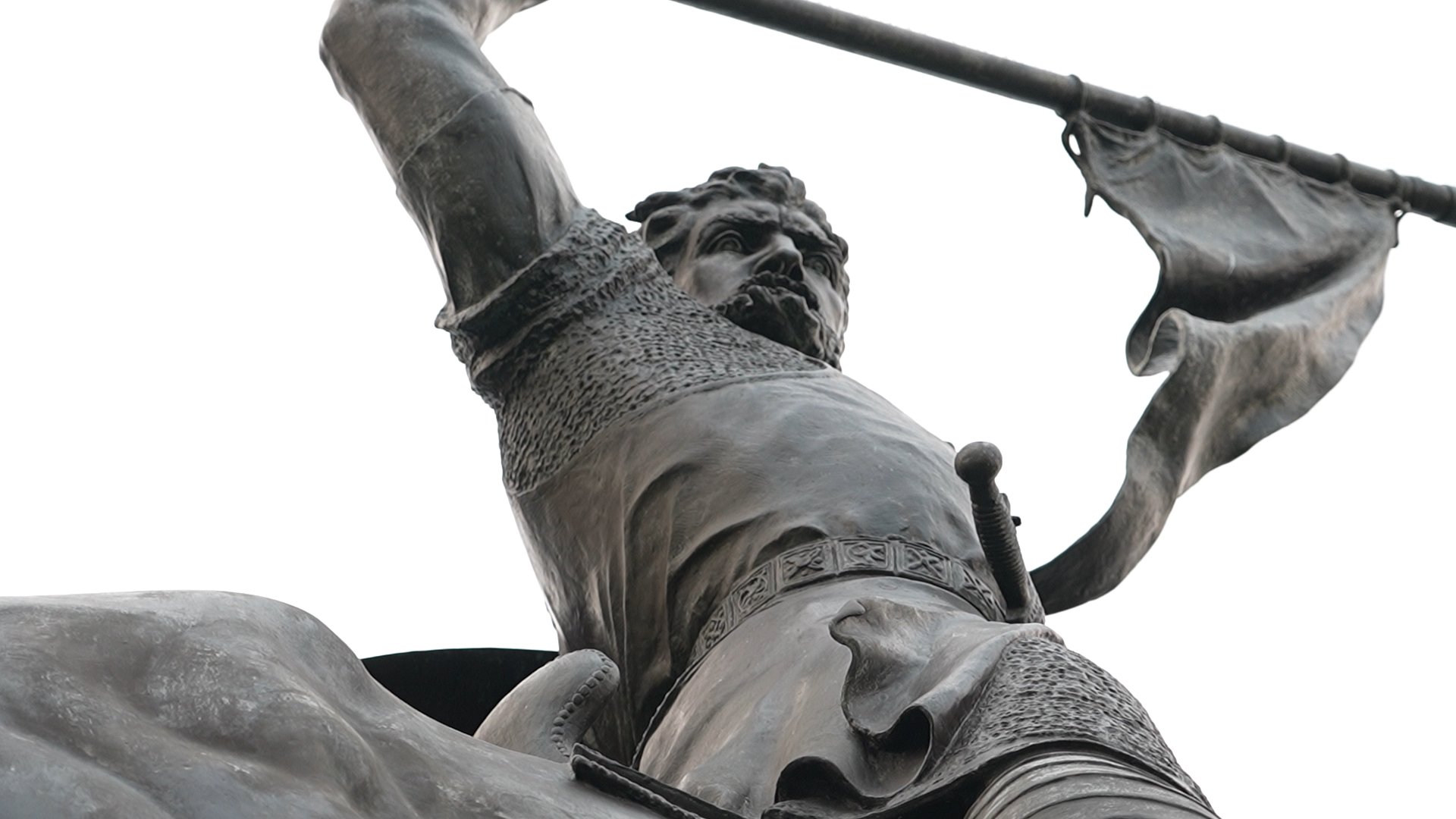
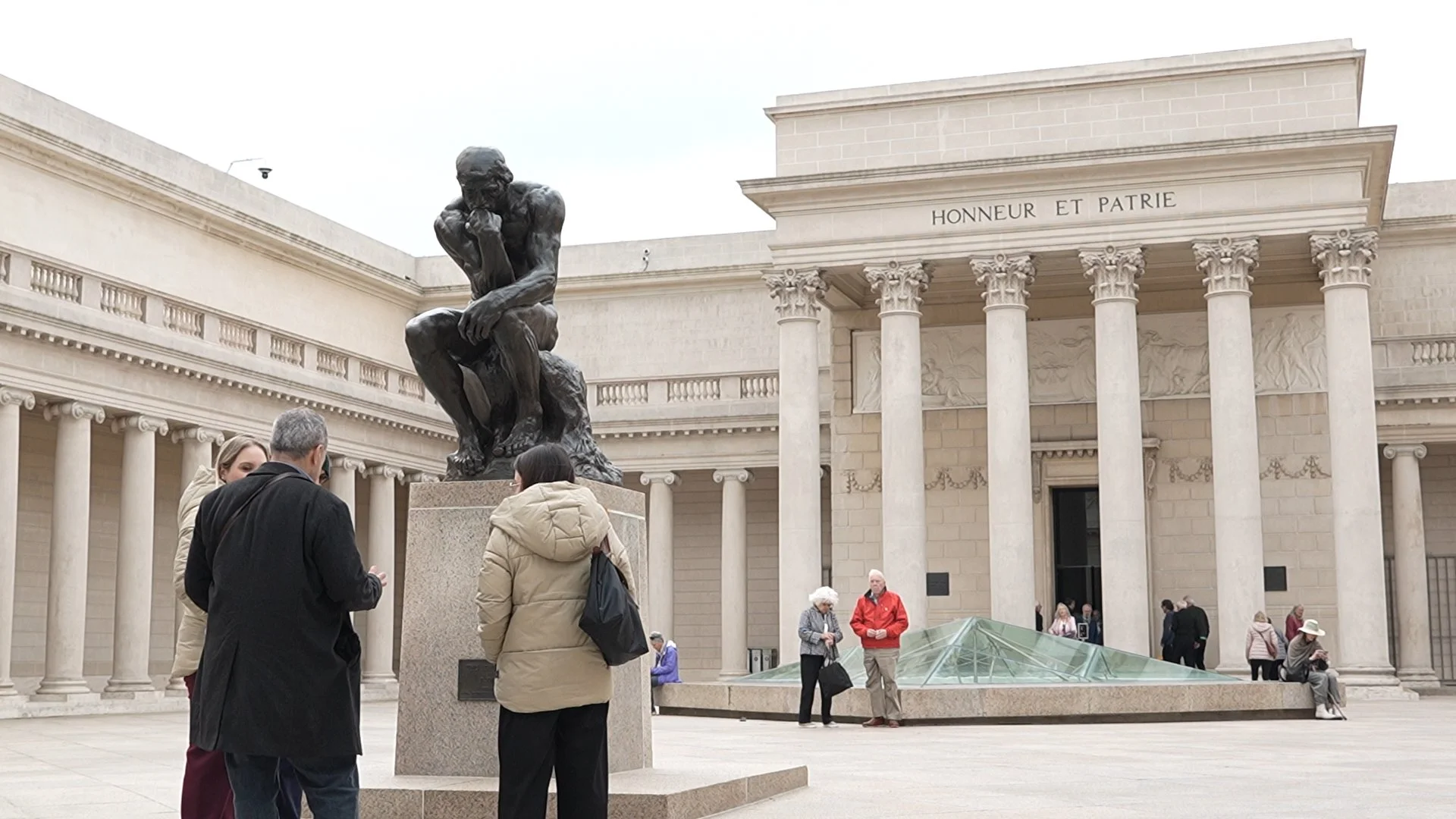
Charles Collins, president of the SF Arts Commission delves in to the Commission’s three year “Shaping Legacy Audit”. This is another cornerstone of the film. The SF Arts Commission took action with the support of a Guggenheim grant to review the entire civic collection of monuments and memorials to determine their current relevancy, and representation of our multicultural city and it’s indigenous population. Their study is being put into action through the removal of sculptures and rethinking both temporary and permanent pieces that represent and reflect people who have made positive social change. Both locally and National monuments were pulled off their pedestals by groups of people in the summer of 2020 during the Black Lives Matter protests. These were acts of protest against monuments representing people who had committed acts of genocide in many different cultures both nationally and abroad since our country was founded.
Film Synopsis
Since 1985, the San Francisco Bay Area has undergone a profound narrative shift in how it honors its dead and its heroes. Moving away from static bronze statues, communities are reclaiming public spaces through "living memorials" that embrace inclusivity and social justice. The Art of Memory is a feature-length documentary covering this evolution, weaving together an exploration of the history of San Francisco’s grass roots and civic legacies with contemporary interviews of the visionaries leading the powerful shift of these movements.
The film journeys from the inception of the AIDS Memorial Quilt and the National AIDS Memorial Grove to spontaneous street-side tributes for victims of systemic violence, like Alex Nieto and Sean Monterossa. Central to this exploration is Rosa de Anda and The Marigold Project, whose annual Dia de los Muertos event serves as a masterclass in "Ancestral Remembrance." By documenting how thousands of citizens participate in public ritual, the film reveals how these grassroots monuments bridge divides of age, culture, and economic status. The Art of Memory is not just a film about looking back; it is a study of how the act of remembering serves as a vital tool for community healing and political advocacy in the 21st century.